 WhatsApp
 Telegram
Electric cars have gotten a lot of attention lately. People like them because they are good for the environment. But that is not all electric cars can also save people a lot of money. When you buy a car it usually costs more than a similar car that runs on petrol or diesel. However when you look at how much it costs to own a car over time the electric car is usually a better deal. Electric cars are a choice, for people who want to save money and help the environment. Electric cars can deliver financial savings to people who own them.
This article looks at all the costs that come with owning an electric car. It compares these costs to the costs of owning a car. The article also explains how electric cars can help you save money in the run when you own an electric car.
You May Like This: electric car benefits
1. What The Cost Of Ownership Really Means To You
The total cost of ownership is something that you should think about when you are buying something. The total cost of ownership is the amount of money you will spend on the total cost of ownership. It includes the money you pay to buy the thing and the money you pay to keep it running.
You have to think about the cost of ownership because it helps you understand how much money you will really spend on the thing. The total cost of ownership is not just the price you pay when you buy it. It is the price you pay and all the other costs that come with it.
For example the total cost of ownership of a car is the price you pay to buy the car and the money you pay for gas and maintenance. The total cost of ownership of a house is the price you pay to buy the house and the money you pay for repairs and utilities.
So the total cost of ownership is something that you should think about when you’re making a big purchase. It helps you make a decision, about whether you can really afford the thing. The total cost of ownership is a thing to consider when you are buying something.
When you are looking at cars the price, on the sticker is not the thing you need to think about. The real cost of owning a car includes:
Purchase price
Fuel or energy expenses
Maintenance and servicing
Repairs and parts replacement
Taxes, incentives, and resale value
When you think about all these things together you get an idea of how much the car really costs you over time. This means you can see what you will pay for the car over its lifetime.
2. Energy Savings: Electricity vs Fuel
Petrol and Diesel Costs
Fuel prices, petrol and diesel prices go up and down a lot and usually get more expensive over time. In countries, like India the cost of fuel is a part of what people spend on their vehicles every month.
For example a typical petrol car that people use to go to work every day may incur:
₹70,000–₹90,000 per year in fuel
Costs fluctuate with international oil markets
EV Charging Costs
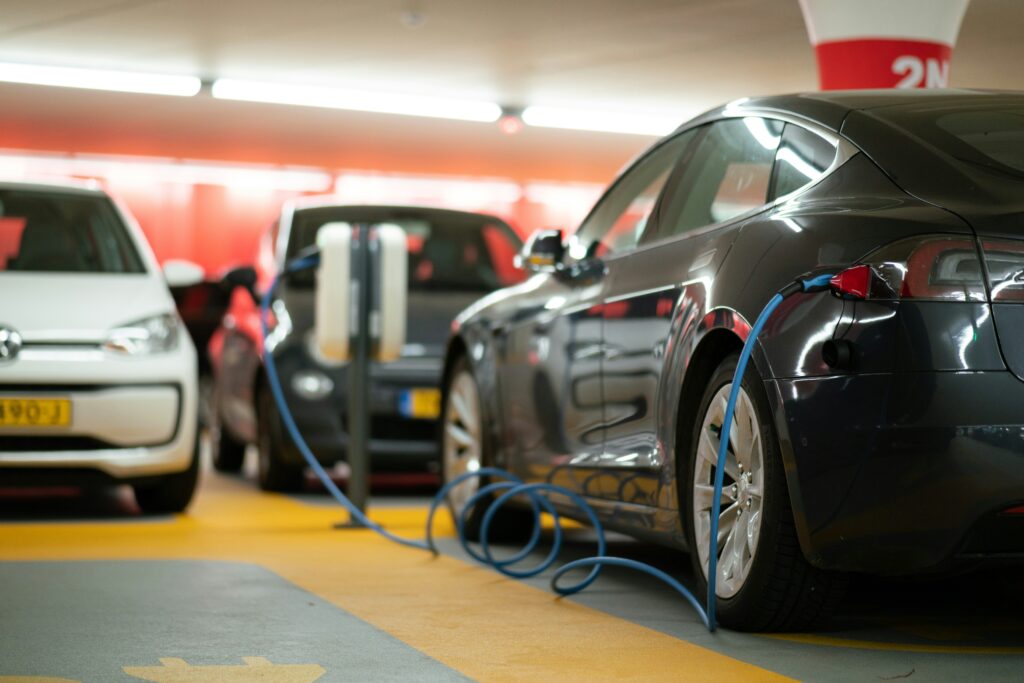
Charging an electric car at home or work is significantly cheaper than refuelling with petrol or diesel.
On average:
Electricity cost per km: ₹1.00–₹1.50
Annual energy cost for 10,000–12,000 km: ₹15,000–₹20,000
If you use this for than 5 years you can save a lot of money over ₹2–3 lakh, which is a big difference, from what you would normally spend on fuel.
3. Lower Maintenance Costs
Electric cars have parts that move around than the cars that use internal combustion engines. This is a thing because it means there are fewer things that can go wrong or need to be fixed. Electric cars are, like that they have moving parts so that is one less thing to worry about when you own an electric car.
Key Differences:
Electric vehicles generally do not require:
Engine oil changes
Gearbox or transmission servicing
Complex mechanical repairs
This reduction in complexity leads to a lot of good things. It makes things simpler. The mechanical complexity is reduced, which is a thing. This reduction in complexity is very important. It helps with the mechanical complexity reduction. The reduction in complexity leads to many benefits, such as making the mechanical complexity more manageable. This is because the reduction in complexity is a key factor.
* It makes the mechanical complexity easier to handle
* The reduction in complexity is very useful
This reduction, in mechanical complexity is something that is very good. It helps to reduce the complexity even more.
Lower servicing costs
Fewer trips to the workshop
Savings of 60–70% on maintenance compared to petrol/diesel cars
4. Government Incentives and Tax Benefits
Lots of governments want people to buy vehicles. So they offer deals to make it cheaper for people to buy electric vehicles. This means the price of a vehicle is not as high as it seems when you buy one. Governments do this to encourage people to buy vehicles.
In India the things that are included are:
Lower registration fees
Reduced or waived road tax
Purchase subsidies for eligible models
The benefits of these vehicles make the cost of buying one affordable. This helps to reduce the difference in price, between these vehicles and traditional vehicles when you first buy them. The price gap that you see at the start is not as big as it used to be.
5. Regenerative Braking: A Hidden Cost Saver
Most modern electric vehicles use something called braking. This is when the electric motor helps to slow down the vehicle. It does this by using the motor to catch some of the energy and put it back into the battery of the electric vehicle.
Financial Benefits:
Longer brake pad life
Reduced wear on braking components
Lower servicing cost for brake maintenance
This technology, by itself can really make a difference in the money you save over a long time like several years when you compare it to the old kind of brake systems. The technology can add up to savings over several years when you use it instead of conventional brake systems.
6. Battery Costs: Myth vs Reality
People often think that the batteries in vehicles are really costly to replace.. Even though it can be pricey to get a new one there are a few things that make this less of a problem, for electric vehicle batteries.
Electric vehicle batteries or EV batteries are made to work for a pretty long time like 8 to 10 years or even longer. The people who make these EV batteries want them to last a time so you can use your electric vehicle for many years without having to replace the EV batteries.
Most companies that make things like cars offer a guarantee for the battery that it will last for 8 years. The companies that make these batteries want people to know that the battery, for the car will work properly for a time like 8 years.
A lot of people who own a car will sell the car before they actually need to replace the car battery. This is something that happens with the car. The car owners will get rid of the car. Someone else will have to deal with the car battery replacement. Many car owners do this with their car. They sell the car before the car needs a battery, for the car.
When people actually own vehicles they usually do not have to pay to replace the battery during the time they own the electric vehicle. Most electric vehicle users do not have to deal with electric vehicle battery replacement costs when they own the vehicle for the first time.
7. Resale Value Trends
Electric vehicle resale values are getting better as the market, for vehicles gets older. There are a things that help electric vehicles have a stronger resale value. These include:
Increasing demand for used EVs
Greater awareness of low running costs
When people think about buying something they want to know it is in shape. Battery health reports are very important for this reason. These reports help buyers feel confident that the battery is okay and will work well. This is especially true when someone is buying something with a battery, like a phone or a car. Battery health reports give buyers the information they need to make a decision. Battery health is a deal because it affects how well the device works. People want to know that the battery health is good before they buy something.
The value of Electric Vehicles when they are resold can be different depending on the model. The area you are, in.. Electric Vehicles hold their value pretty well especially in cities where a lot of people want them.
8. A Practical Example: Cost Comparison Over 5 Years
Cost ComponentPetrol/Diesel CarElectric CarFuel / EnergyHighLowServicingModerate to HighLowRepairsModerateLowIncentives & TaxStandardReducedTotal 5-Year CostHigherLower
So when you think about everything people who own Electric Vehicles usually save a lot of money in the run. This is true even if the Electric Vehicles cost more to buy at first. Electric Vehicles can be a deal because people who own Electric Vehicles save money on things, like gas and maintenance.
FAQ
Q.Who benefits the most from driving a vehicle?
ANSWER: The people who benefit the most from driving a vehicle are those who own an electric vehicle. They are the ones who get to enjoy the benefits of driving a vehicle. Driving a vehicle is a great option, for people who own an electric vehicle and want to save money on gas. People who own a vehicle and drive it every day will see the benefits of owning an electric vehicle. The main people who benefit from driving a vehicle are the ones who actually own an electric vehicle and use it.
Electric cars make the financial sense if you
* own an electric car for a long time
* drive the electric car a lot
Electric cars are a good choice if you want to save money on gas because electric cars use electricity instead of gas.
The electric car is also a choice for people who want to do something good for the environment because electric cars do not make pollution, like other cars do.
You should think about getting a car if you want to save money and help the environment at the same time with your electric car.
Drive regularly (daily commute)
Have access to home or workplace charging
Plan to own the vehicle for 5+ years
Use the car mainly in urban or suburban areas
For these users, EVs are not just environmentally beneficial—they are cost-effective long-term investments.
Q.So What Is The Final Answer: Are Electric Cars Really Worth It?
ANSWER: Yes. When you really think about it. Look at all the costs electric cars are cheaper in the long run, than petrol and diesel vehicles. The money you save with cars comes from a few things:
Lower energy costs
Reduced maintenance
The government has some incentives that it offers to people. These government incentives are like rewards for doing things. The government incentives are meant to help people and also to help the government. For example the government incentives can be in the form of money or tax breaks. People like these government incentives because they can save money or get some benefits. The government incentives are available for things, like starting a business or buying a house.
Rising fuel prices for traditional vehicles
Rather than focusing on the upfront price alone, assessing total cost of ownership reveals the true value of choosing an electric car.